
Bonding
Tooth-colored resin shaped to repair chips, cracks, gaps, or discoloration — often in a single visit.
Cosmetic & Restorative
Tooth-colored composite resin shaped to improve small chips, gaps, discoloration, and certain shape concerns—often in a single visit.
How bonding works
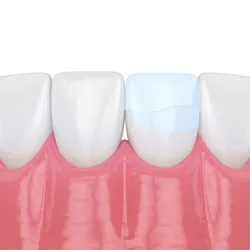
Your dentist first selects a composite resin shade that complements the surrounding teeth. The tooth is prepared, and the tooth-colored material is carefully applied and sculpted to achieve the planned shape. A special light hardens the resin before it is refined and polished for a natural-looking finish.
Composite resin is also used for tooth-colored fillings when appropriate, although cosmetic bonding and fillings serve different purposes.
What to keep in mind
Bonding can often be completed in one appointment, although treatment time depends on the number of teeth and the changes being made. Composite resin is not as stain-resistant as porcelain and may chip, wear, or require repair over time. Avoiding habits such as chewing ice, biting fingernails, and using teeth to open objects may help protect it. In some situations, veneers, crowns, orthodontic treatment, or another option may provide a more suitable result. Your dentist will explain the advantages and limitations of each approach.
Explore More
Related services
Ready when you are
Request your appointment online and we'll follow up quickly to find a time that fits your schedule — new patients are always welcome.